
The patriotic festivities of Peru take place every July 28, celebrating the emancipation of Peru
04/05/2023
The patriotic festivities of Peru take place every July 28, celebrating the emancipation of Peru from the Spanish empire and the beginning of the country as a sovereign state in America in 1821 by Don José de San Martín. In this way, July 28 and 29 are declared national holidays in the Peruvian calendar.
“From this moment Peru is free and independent by the general will of the peoples and by the justice of its cause that God defends. Long live the homeland! Long live freedom! Long live independence!”
These were the words that General Don José de San Martín used with integrity in the raisin of Lima to declare the independence of Peru.
The celebrations for the national holidays in Peru take place on the 28th and 29th mainly at the national level, however, it is normal to see throughout the month of July, decorated streets, people wearing rosettes, flags in the windows of houses and all kinds of celebrations for national purposes.
 Proclamation of Peru's Independence.
It is already an ancestral custom that from July 1 flags are placed in Peruvian homes to commemorate independence. Formerly the municipalities put fines to households that did not place such decoration in their homes.
Officially they are called 'Glorious Húsares de Junín' Cavalry Regiment, it is a historical unit of Peru and a member of the Peruvian Guard Legion, since its creation it was never discharged and has been present in the historical events of Peru.
 Husares de Junin Peru
This day pays tribute to the forces and the national police of Peru armed by the supreme decree 079-2010-PCM, issued by former president Alan Garcia and celebrated every year since 2006, the traditional Military Civic Parade is held . It is in this parade where soldiers march in front of the citizens and the rulers of the nation and show weapons and vehicle units that are used for the benefit of the nation.
 Civic parade or Peruvian military parade.
This emblem is a rectangular band formed by 3 colors that go vertically and with an equal width, it has red on both sides and white in the center. The red color symbolizes the blood shed by thousands of Peruvians, heroes and martyrs who gave their lives to defend the interests of the country and its inhabitants.
The first national flag was created by the liberator Don José de San Martín and was displayed for the first time on July 28, 1821 at the time of declaring the independence of Peru. Throughout history it had several modifications and currently only the red and white colors have been preserved on it.

It is a heraldic symbol and is an important national emblem that was created by Don José de San Martín in Pisco on October 21, 1820, it is the symbol of the sovereignty of Peru. In 1825 the constituent congress ordered that the new national coat of arms be divided into 3 large fields, which represent the riches of Peru in the 3 natural kingdoms that are: animal, vegetable and mineral. This is how on the upper right side is the cinchona tree, which represents the Peruvian flora. On its side (upper left), is the vicuña, which is the representative animal of Peru. Finally, at the bottom, below both symbols mentioned above, is the cornucopia spilling gold coins, thus representing the mining of the country.

The national anthem of Peru was written by José de la Torre Ugarte and composed by José Bernardo Alcedo in 1821 and had the title 'National March of Peru', it is a musical poetic composition of 7 stanzas and a chorus, all related to libertarian deeds. Sung for the first time on September 23, 1821 by Rosa Merino.
The current version of the national anthem of Peru was adopted by the musician Claudio Rebagliati in 1869. There was a demand by congressmen of the republic in 2004 towards the first verse (A long time the oppressed Peruvian / The ominous chain dragged), since they considered apocryphal and that it contained phrases that damaged the dignity of Peruvians. The Constitutional Court declared that the first stanza was not authored by José de la Torre, but rather a product of national folklore and that it would remain intact since it represented the will of the people.
CORO
Somos libres, seámoslo siempre,
y antes niegue sus luces el sol,
que faltemos al voto solemne
que la patria al eterno elevó.
Estrofa I
Largo tiempo el peruano oprimido
la ominosa cadena arrastró;
condenado a una cruel servidumbre
largo tiempo en silencio gimió.
Más apenas el grito sagrado
¡Libertad! En sus costas se oyó,
la indolencia de esclavo sacude,
la humillada cerviz levantó.
Estrofa II
Ya el estruendo de broncas cadenas
que escuchamos tres siglos de horror,
de los libres al grito sagrado
que oyó atónito el mundo, cesó.
Por doquier San Martín inflamado,
Libertad, libertad, pronunció,
y meciendo su base los Andes
lo anunciaron, también, a una voz.
Estrofa III
Con su influjo los pueblos despiertan
y cuál rayo corrió la opinión;
desde el istmo a las tierras del fuego
desde el fuego a la helada región.
Todos juran romper el enlace
qué natura a ambos mundos negó,
y quebrar ese cetro que España,
reclinaba orgullosa en los dos.
Estrofa IV
Lima, cumple ese voto solemne,
y, severa, su enojo mostró,
al tirano impotente lanzando,
que intentaba alargar su opresión.
A su esfuerzo sellaron los grillos
y los surcos que en sí reparó,
le atizaron el odio y venganza
que heredara de su Inca y Señor.
Estrofa V
Compatriotas, no más verla esclava
si humillada tres siglos gimió,
para siempre jurémosla libre
manteniendo su propio esplendor.
Nuestros brazos, hasta hoy desarmados
estén siempre cebando el cañón,
que algún día las playas de Iberia
sentirán de su estruendo el terror.
Estrofa VI
Excitemos los celos de España
Pues presiente con mengua y furor
Que en concurso de grandes naciones
Nuestra patria entrará en parangón.
En la lista que de éstas se forme
Llenaremos primero el reglón
Que el tirano ambicioso Iberino,
Que la América toda asoló.
Estrofa VII
En su cima los Andes sostengan
la bandera o pendón bicolor,
que a los siglos anuncie el esfuerzo
que ser libres, por siempre nos dio.
A su sombra vivamos tranquilos,
y al nacer por sus cumbres el sol,
renovemos el gran juramento
que rendimos al Dios de Jacob.

In conclusion, the national holidays in Peru are an explosion of colors, music, and traditions that fill the heart with pride and emotion. Every corner of the country dresses up in celebration to commemorate independence and national identity. From folk dances to fireworks that light up the sky, it all sings of history and cultural diversity. Long live Peru and its passionate people! Long live the celebration and joy that unite us as one big family! Happy national holidays, beloved Peru! 🇵🇪💃🎉
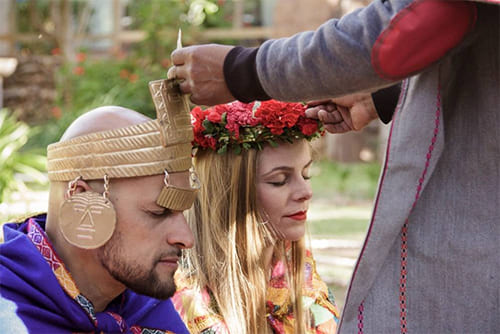
Andean Weddings
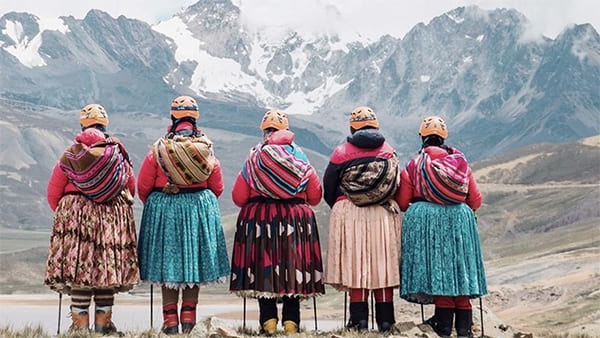
The Climbing Cholitas of Bolivia
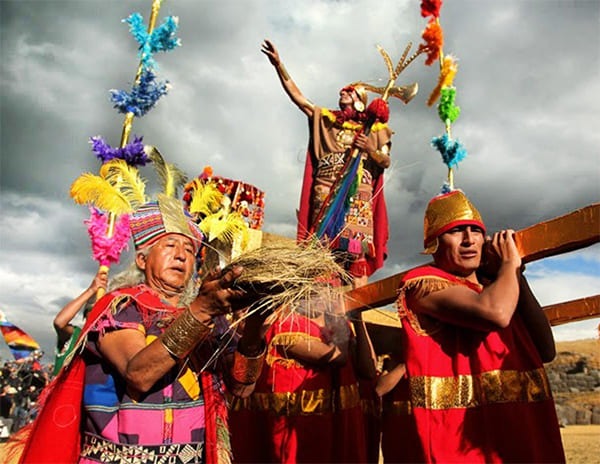
“INTI RAYMI”, the millenary feast of the Sun.
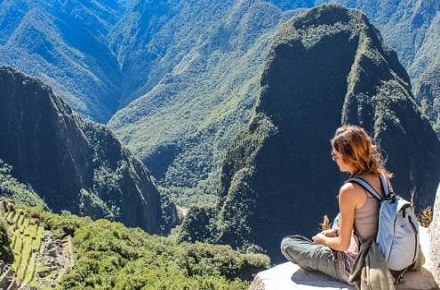
Lima, Paracas, Nazca, Arequipa, Puno, and Cusco - 14 Days This package is a comprehensive itinerary designed to explore the main tourist attractions of Peru.
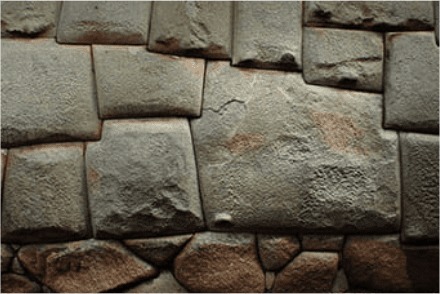
An 11-day, 10-night trip is an ideal package for you to discover the country's main tourist attractions.

9 days, an ideal package to explore the main tourist attractions of the country.
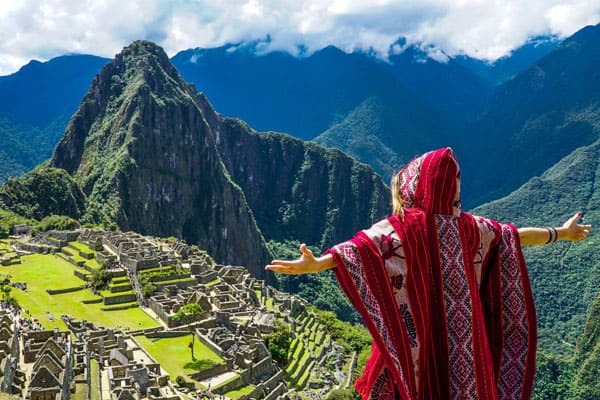
This tour package and its itinerary take us to the main tourist spots in the Andean Region. The city of Cuzco, known as "the navel of the world and the empire of the Incas."