1. Lima Anniversary
Date: January 18
Lima is Peru's capital. This date of foundation is January 18, when
back in 1535 it was founded by the conqueror
Francisco Pizarro.
This is a very important event for the inhabitants of the region since there are
many activities that are scheduled for that date in addition to the days that
precede it. Program that changes according to the ruler in charge, but that
essentially preserves the spirit of all Lima.
The celebrations for the anniversary of the Capital begin with different cultural
activities, including conferences whose reason varies each year. In addition to
this, the presence of an impressive Serenade through Lima has become a tradition,
which takes place in the
Plaza de Armas and in which the musical
talents of people from our country are exhibited, who express their music of modern
genres and traditional.
It is also common for these celebrations the organization of different parades, in
these the color of the traditional dances of Lima is exposed, where the presence of
the marinera is inevitable, tonderos, festivities and skirts are also seen.
In addition, there are the inevitable gastronomic fairs where the delicacies and
wide variety of local cuisine are exhibited and made available to the consumer. Main
dishes such as rice with chicken or duck, salted loin, stuffed cause, among many
others, are accompanied by exquisite desserts such as
purple
mazamorra, sigh a la Lima and others to entertain the stomach of our
visitors.
2. Santa Rosa de Lima
Date: August 30
Santa Rosa de Lima is the
patron saint of the Americas and the Philippines,
protector in addition to the National Police of our country, whose date of
celebrations is presented as the central day on August 30.
It tells the story of this Saint, whose real name was I
sabel Flores de
Oliva, who
was born in 1586 and lived a life full of extraordinary events. Among them the
miracle of the roses that she gave him her name since, it is said that at that time
in Lima these types of plants were not cultivated and that she was miraculously in
the garden of her house where these flowers spontaneously arose. Another reason
that characterizes roses as a symbol of the Saint is the miracle by which
Pope Clement IX canonized her since, it is said, at the moment in
which he doubted the sanctity of Lima, it rained roses on his desk, which is why the
Supreme Pontiff later made many provisions in her honor, even though it was his
successor Clement X who finally managed to canonize her.
For the celebrations in commemoration of this Saint, pilgrimages are carried out to
her temple. In this, the practice of a traditional act is carried out, which is to
deposit a letter in the so-called "Wishing Well" since it is said that what one asks
of the Saint will come true if it is requested with great fervor. .
3. National Peruvian Paso Horse Contest
Date: April
The
National Peruvian Paso Horse Contest is an event that takes
place in Mamacona, which is located in the district of Lurín within the province and
region of Lima.
The contest has completed its XLVI presentation for 2011, which takes place between
the months of March or April and lasts a week.
The Contest summons hundreds of lovers of these equines, such is the degree of
reception that this contest presents that there are more than 700 animals that are
presented in this National competition, and that they are the representation of the
best horses of this breed that They are natives of the country, but they are raised
both nationally and in neighboring countries of Bolivia, Ecuador and other Central
American states.
At present, the importance of this contest is such that the
Mamacona
Exhibition Hall has been created within the Mamacona Estate, which is
the first museum in honor of
this aboriginal species and which has emerged thanks to the collaboration of those
interested. On the last day of the celebrations, the winners of the different
categories that exist are awarded within the establishment, among which the
following can be recognized:
- “Master Bracer”
- Trial for Minors from 10 to 12 years old with the subdivision of boys and
girls
- Award for Best Filly Presented to Halter
- Female Muzzle Champion
- Flats Award for Mares
- Mother's Progeny Award
- Mother and Daughter Award
- Mares Joint Award
- Female Zootechnical Merit Award
- Category of Halter Foals
- Category of Muzzle Foals
- Hobby Award, among others.
Day of the Creole song
Date: October 31
The day of the Creole song is celebrated every year on October 31, this date was
established within the calendar of Peruvian festivities during the government of
Manuel Prado y Ugarteche in the forties.
The Creole song and its interpreters, who are honored on this date, have an
important history that presents its peak period in the twenties and whose members
have been called
"the old guard".
The Old Guard includes the classics of criollismo, among which José Sabas
Libornio-Ibarra, Juan Peña Lobatón, Julio Flores, Óscar Molina, among others, stand
out. And who would be followed by important performers and composers from the
thirties to forties with a great influence from Felipe Pinglo who left in the memory
of Peruvian music beautiful compositions such as
“El plebeyo”, “El
Huerto de mi
amada” , "The mirror of my life" and that would give rise to the expansion of the
popularity of this type of music sung and created by voices such as those of Jesús
Vásquez, Lucha Reyes, Oscar Avilés, Luis Abanto Morales or the remembered and great
Chabuca Granda .
The Celebrations that take place in current times for the Day of the Creole Song are
mainly concentrated in the different Creole clubs that are celebrated throughout the
country and especially in the capital. Or also thanks to serenades and concerts
organized either by the authorities of each of the districts, or by individuals who
are followers of this important celebration.
National Pisco Sour Day
Date: first Saturday of February
The pisco sour has become in recent years the flagship drink of Peru, it is an
exquisite drink based on pisco from the lands of Ica that is also gaining more
strength and recognition abroad. Due to these attributes, the State has recognized a
National Pisco Sour Day as a tribute to this exquisite drink and whose central date
is the first Saturday of February and has been celebrated since 2004.
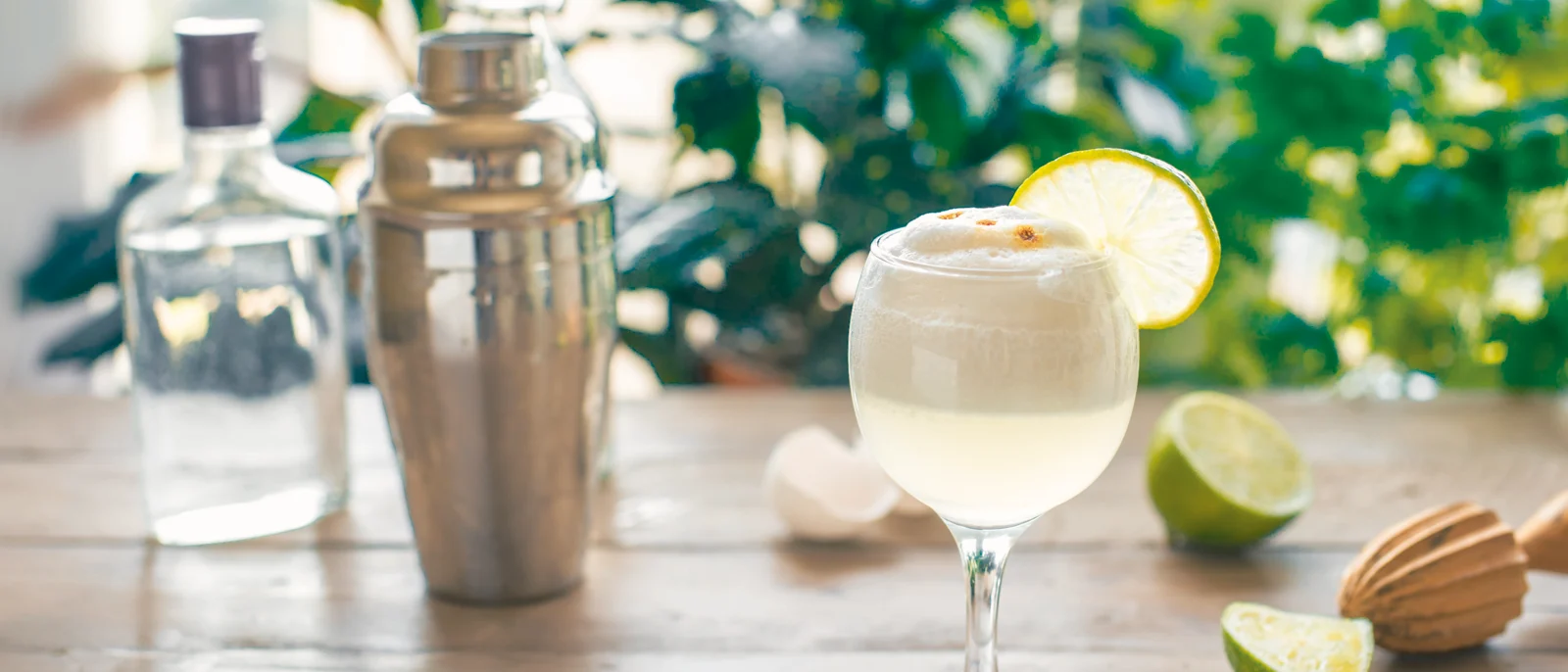 Pisco Sour
Salthough pisco is a traditional drink that originates in the Ica region, it is Lima
and its different districts where this celebration gains more strength, being one of
the districts selected as the official venue each year of celebration.
Each district presents a different way of celebrating this day, for example, in
Barranco, the main activities take place in the Museum of Contemporary Art where the
exhibition and sale of this Peruvian liquor takes place.
In other districts such as Pueblo Libre, different artistic shows are also held to
liven up the day, including dance competitions, along with barman competitions, in
addition to the obligatory sale of this liquor along with typical dishes of the
area.


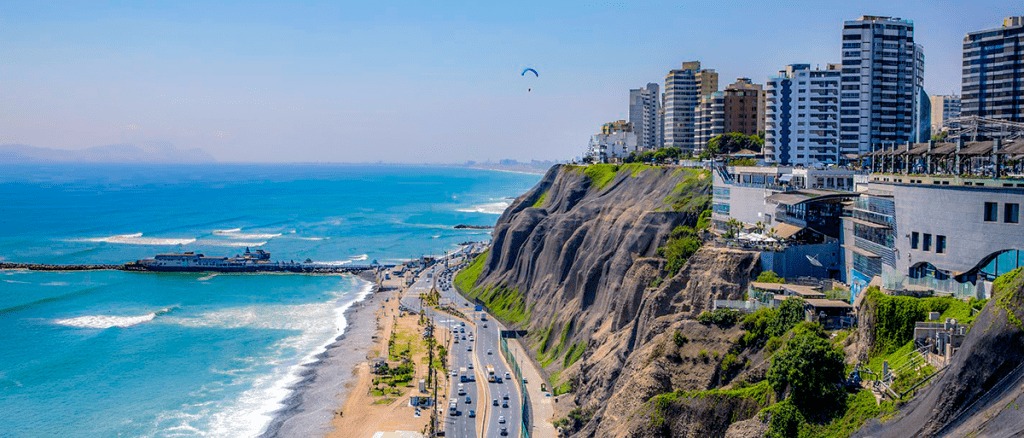 City of Lima, Miraflores
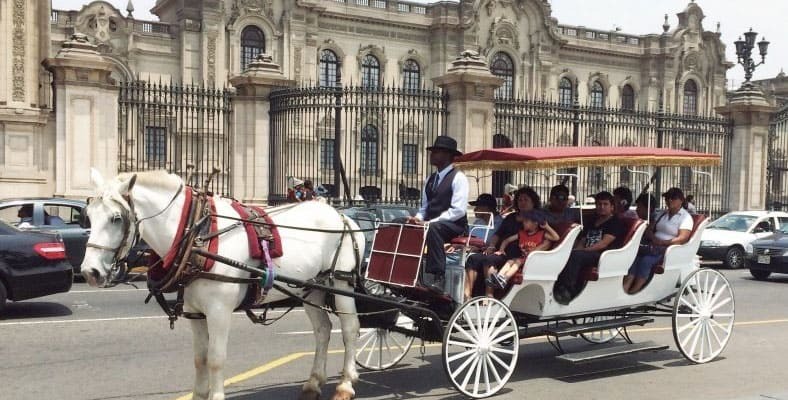 Tour with horses in the center of Lima
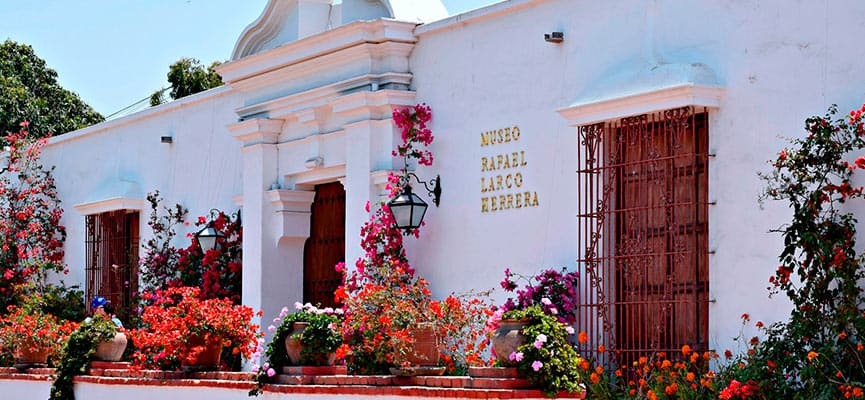 Larco Herrera Museum, Lima