

The Cathedral of Cusco, also known as the Cathedral Basilica of the Virgin of the Assumption.
12/05/2023
The Cathedral of Cusco is an emblematic monument of the city and a great example of religious architecture from the 16th century. This majestic building was constructed on the Inca Temple of the Sun and took almost a century to build, from 1559 to 1654.
The Cathedral of Cusco was built by Spanish conquerors using European construction techniques and local materials such as stone and adobe. The cathedral features a Renaissance-style main façade, with an impressive stone-carved portal that represents biblical scenes and the patron saints of Cusco.
Inside, the Cathedral of Cusco has three naves, a sacristy, a choir, and several side chapels that house a large number of religious artworks from the colonial period. The Chapel of San Blas, the Chapel of the Immaculate Conception, and the Chapel of Our Lady of the Assumption are particularly noteworthy.
The Cathedral of Cusco also houses an impressive collection of paintings from the Cusco School, a style of religious art that emerged in the region during the colonial era. The paintings, by artists such as Diego Quispe Tito, Juan Espinoza de los Monteros, and Marcos Zapata, show a unique fusion of European painting techniques and Andean traditions.
In summary, the Cathedral of Cusco is an impressive work of art and a silent witness to the rich history and culture of the region. If you are planning to visit Cusco, you cannot miss the opportunity to visit this historic monument and marvel at its impressive architecture and rich collection of religious art.

Inside the Cathedral of Cusco, numerous works of Andean Baroque art can be found, including paintings, sculptures, and golden altarpieces. Among the most outstanding works is the main altar, located in the Cathedral's central altar, which is decorated with gold leaf and numerous sculptures and reliefs.
In addition to the works of art, the Cathedral of Cusco also houses an important collection of religious objects, such as ornaments, reliquaries, and ancient books. These objects are a testament to the cultural and religious richness that has characterized the city of Cusco since colonial times.
In summary, the Cathedral of Cusco is a jewel of Andean Baroque art, which houses a great artistic and cultural wealth inside. It is a place that you cannot miss if you visit the city of Cusco.
Chincana is a system of underground tunnels located beneath the Temple of the Sun and the Cathedral of Cusco. It is believed to have been built by the Incas for religious and defensive purposes. It is said that the tunnels led to several important places in the city, such as the Temple of the Sun, the Fortress of Sacsayhuamán, and the Palace of the Inca.
The entrance to the Chincana was discovered in the 1930s by a worker who was making repairs in the Cathedral. Since then, several explorations have been carried out and several tunnels have been found, some of which are very narrow and difficult to traverse.
The Chincana has been the subject of many theories and legends, some of which suggest that it was a place used for secret ceremonies and rituals, while others claim that it was used as an escape route for the Incas during the Spanish conquest.
Today, the Chincana is a popular tourist destination in Cusco, although only a small part of the tunnel system is open to the public due to safety and conservation reasons.
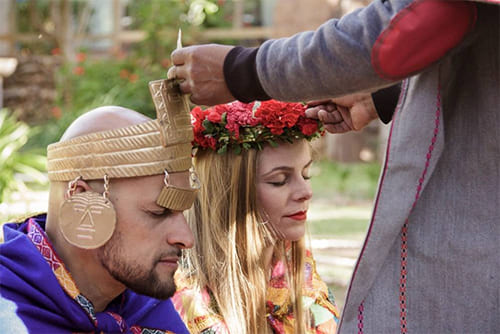
Andean Weddings

The Climbing Cholitas of Bolivia
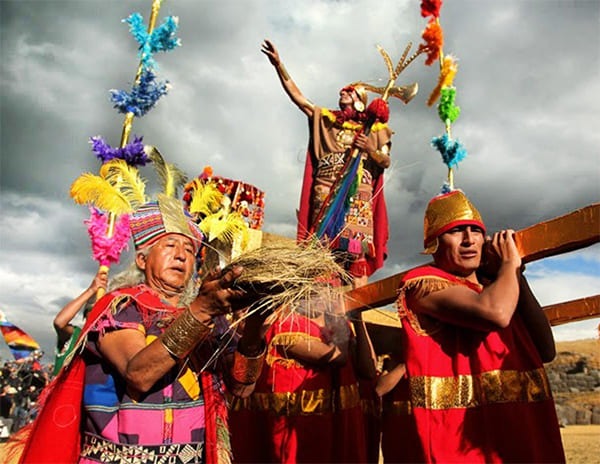
“INTI RAYMI”, the millenary feast of the Sun.
Lima, Paracas, Nazca, Arequipa, Puno, and Cusco - 14 Days This package is a comprehensive itinerary designed to explore the main tourist attractions of Peru.
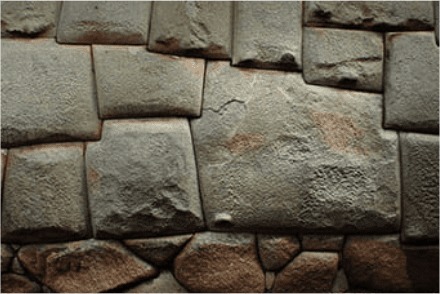
An 11-day, 10-night trip is an ideal package for you to discover the country's main tourist attractions.

9 days, an ideal package to explore the main tourist attractions of the country.
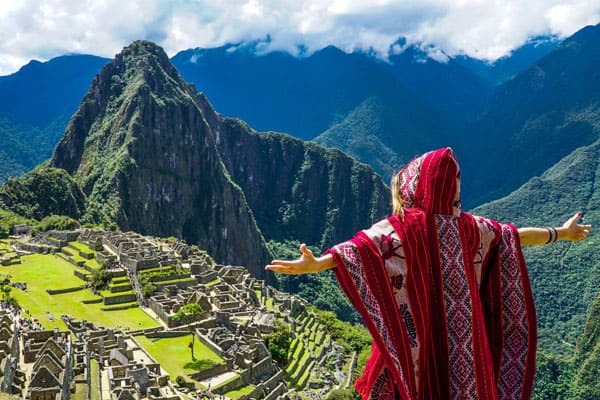
This tour package and its itinerary take us to the main tourist spots in the Andean Region. The city of Cuzco, known as "the navel of the world and the empire of the Incas."